Home
Home
 Info
Info


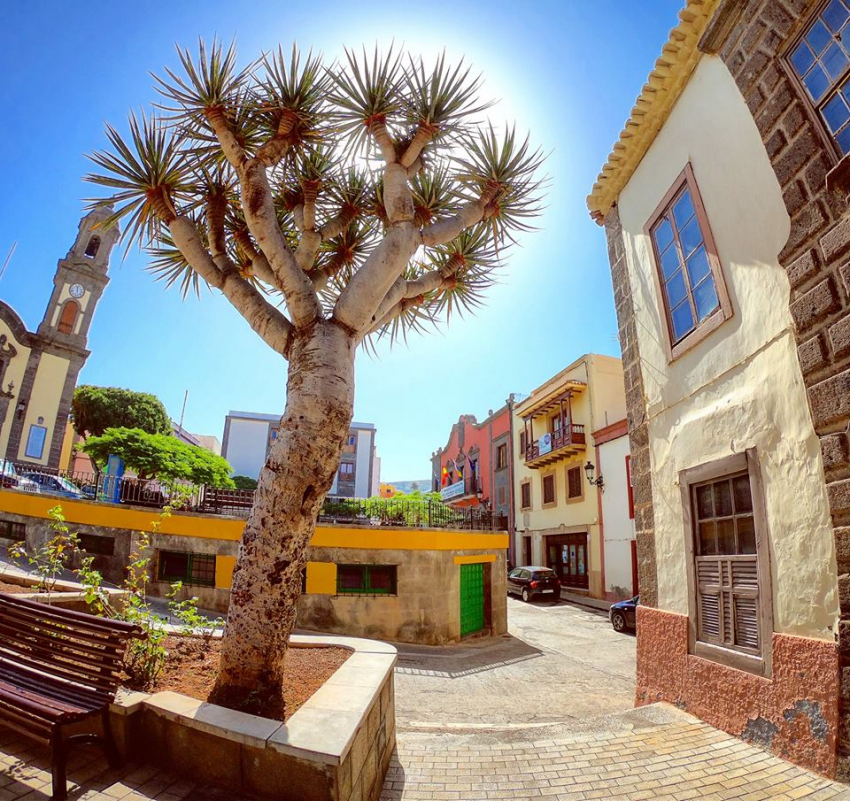
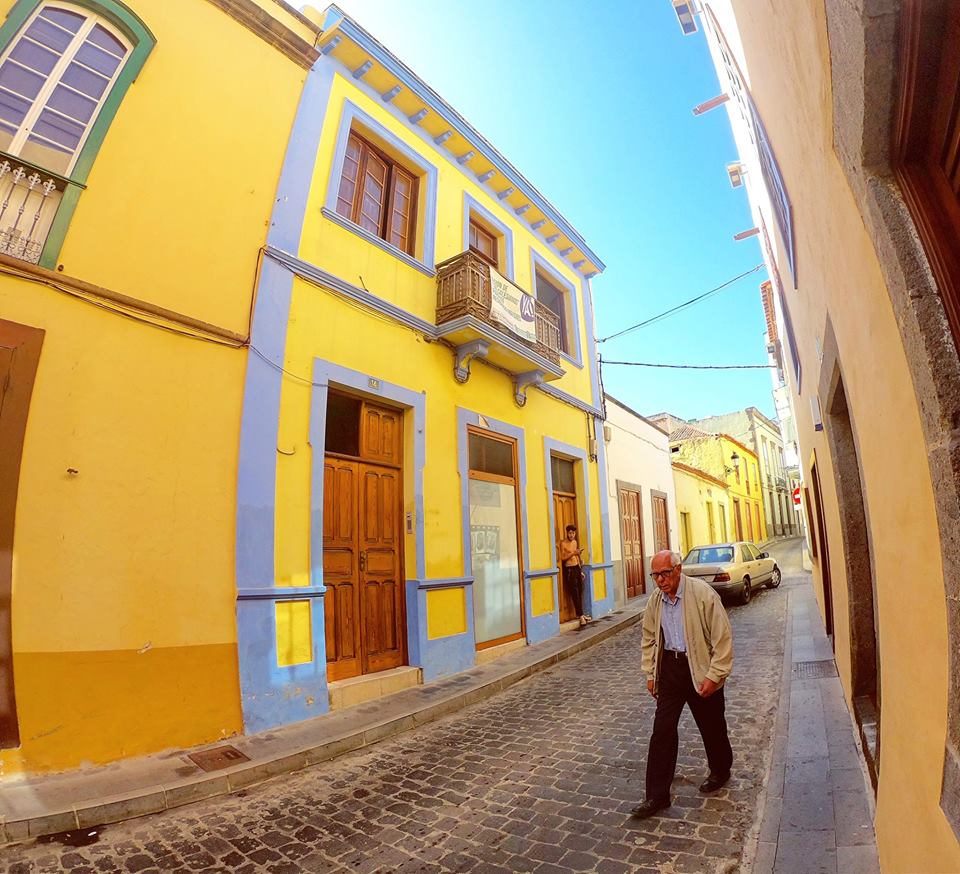 Guía was founded in the early 16th Century and the historical quarter on the hill just behind the church and plaza hasn't changed much for centuries. The town (technically it's a city and it's called Santa María de Guía) had a prosperous start thanks to sugar cane but it's glory days are now well in the past. However, it's worth wandering up and down a few streets just to take in the atmosphere and the elegant facades.
What to do in Guía: Culture and history
Stop at the Museo Nestor Álamo for a quick blast of history. Set in the house where Guía's most famous inhabitant, a famous writer and chronicler of Canarian history and culture. He's also the man who turned the Casa de Colón into a tourist attraction back in the 1950s and has a commemorative full-sized bronze in Vegueta just behind the cathedral. However, Guía's eponymous museum is dedicated to the area's pre-hispanic culture.
What to do in Guía: Coffee in the Casino
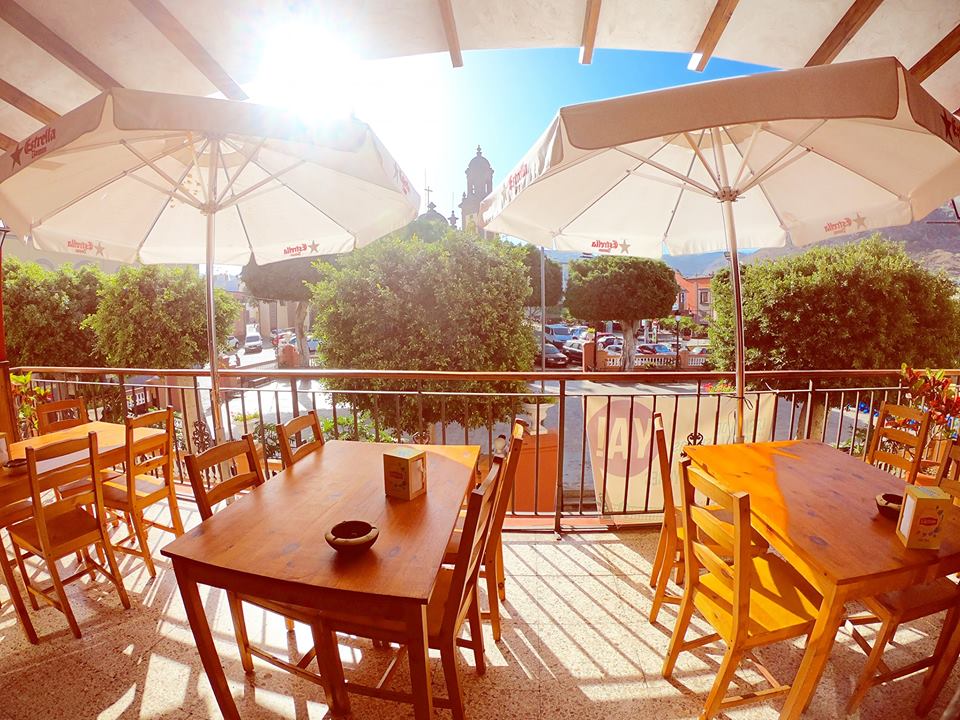 Recover from the steep slopes of the old town with a coffee at the Casino de Instrucción y Recreo cafe overlooking the Plaza. It's opposite the church above the Bankia bank and has a superb balcony terrace. There's no gambling here as a Casino in Gran Canaria towns is a sort of social club and neighbourhood association.
What to do in Guía: Taste the cheese
Once you've had a cortado and maybe a local Donut, walk down the hill to the modern part of Guía for a sample of the town's most famous product: Flor de Guía cheese is made with local goat and sheep milk curdled with artichoke or cardoon sap rather than animal rennet.
It's a seasonal product as the curdling process using plant sap is inefficient and doesn't work in the heat. So, you'll only find the small wheels of pure Flor de Guía cheese from about February to May. The rest of the year, ask for Media Flor, which is cheese made with some plant sap and some vegetarian rennet. It is firmer than the full Flor but still has an intense herbal flavour.
Alex Says: Flor de Guía tastes of hay and slightly old socks. It's a protected food with its own Designation of Origin and can only be made by hand with local milk.
The place to go in Guía to try the best artisan local cheese is the Tienda de Arturo at the bottom the modern Guía high street. It's a fabulous cornucopia of a shop containing everything from a vintage Vespa in a glass box to framed old adverts on the wall, local hardware and basketry, and a stack of the best cheese in Gran Canaria.
Buying cheese in Gran Canaria is a try-before-you-buy experience so feel free to ask for a few samples before you choose one that you like; artisan local cheese costs about 20 euros per kilo and is worth every cent. Don't put it in the fridge as the cold damages its flavour and texture.
After Guía, move on to Galdar next door, a town built on a volcano, or head west to the lovely Agaete Valley.